
Getting your dog through a surgery can be a physically and emotionally draining time. Having recently had a dog need emergency surgery, I know how challenging of a time this can be. Going into your dog’s surgery with the proper preparation will help make the recovery time more manageable. Read on to learn more about our best dog surgery recovery tips.
(Note: I am NOT a vet and all these tips come from personal experiences I’ve had with my dogs. ALWAYS consult with your vet and listen to their recommendations!)
Before the Surgery
If your dog is scheduled for an elective surgery, then you have time to prepare yourself. Make sure you talk to your vet and ask any questions you might have ahead of time. Ask about any restrictions on feeding the night before, logistics for the day of surgery, and any specifics about the recovery. Recovery times are likely to differ depending on the type of surgery your dog is having.
Prepare your house for the recovery including creating a calm recovery area for your dog. This might include a cozy bed and blanket to lay on. Keep in mind your dog probably isn’t supposed to jump up and down on the furniture for at least a few days after, sometimes for 2 weeks after, so think about having a spot on the floor for your dog’s bed.
Have post-op essentials on hand ahead of time. The might include an inflatable dog collar and dog recovery suit to help keep your dog away from the incision. You might also need some food for a bland diet for a few days afterwards depending on your dog’s post-op instructions. I like to use white rice and canned chicken for an easy bland diet. You can easily buy these things in bulk ahead of time.
Plan for how you are going to pay for the surgery. Consider care credit options or even a new credit card you’ve been eyeing up with rewards points. This might simply mean paying down on your credit card to have credit available. Get an estimate from your vet so you know what to expect, although this could change depending on how things go with the surgery.
Dog Surgery Recovery Tips for The First Few Days Post-Op

The first few days after your dog’s surgery are likely to be a little chaotic. You’ll need to prepare your car to have an area your dog can lay down on the way home. Your dog is going to be pretty groggy and possibly disorentiated on the way home, so you want to keep them safe while you’re driving home. Bring some old towels or blankets for your dog to lay on, as they may have an accident in the car due to still having some effects from the anesthesia.
Once you get your pup home, keep them calm and comfortable. If you have other pets or children, introduce them slowly to your dog as you first bring them home. It is possible for the incision to get infected or even open back up requiring more veterinary care if you’re not careful. Try to keep your dog from jumping up and down and putting any strain on the area where the incision is.
The vet may send you home with an e-collar for your dog to wear. This is very important to keep your dog from licking at the incision, as that is usually what causes complications. Your vet will likely recommend keeping this on your dog any time it isn’t under direct supervision. You can get an inflatable collar or surgery suit, although these sometimes aren’t enough to keep a motivated dog from licking at the incision. I like to double up with the e-collar and a surgery suit for added protection.
Follow your vet’s instructions regarding feeding and medications. You will likely be given very specific instructions with your pet’s discharge, so pay attention and ask any questions you may have. You should be given written instructions as well. Be sure to get info for after hours or emergency services in case something happens.
Monitor your dog for any abnormal behavior. Every surgery can have complications, so you need to watch your dog closely.
Wound Care
Anytime there is an incision in the body, there can be risk of infection and other complications. One of the most common sources of incision complications is from your dog licking or chewing the incision site. Any vet I have ever been to recommends the e-collars over other types of surgery collars, as these are the most preventative way to keep your dog from licking or chewing at the incision. As mentioned above, there are other options as well such as inflatable collars and bodysuits. I find these to be more appropriate for when your dog is under your direct supervision. I prefer the e-collar for overnight or when you’re not home.
Follow your vet’s instructions for cleaning the incision. Unless any infection develops, you might not need to put anything on it. Generally you just need to keep the area clean and dry. You might not be able to bathe your dog for so many days or weeks after the surgery.
Signs of Incision Infection
- Redness, swelling, or discharge at or around the incision
- Warmth around the incision
- Foul odor coming from the incision
- Signs of the incision opening back up
- Significant tenderness around the incision
- Fever or chills
If you notice any signs or symptoms of infection, contact your vet immediately for further instructions!
I like to take a picture of the incision site right when the dog comes home to compare to as the days go on following the surgery. This helps you visualize if there are major abnormalities from when your dog first came home. I also then like to take a picture of the incision if it appears abnormal to send to the vet for their review.
Creating a Low-Stress Recovery
Having a low-stress environment for recovery is critical for healing. If you have a busy household, be sure to find a calm, quiet area your dog can rest. Keep in mind your dog is likely going to be a little sedated and groggy, so avoid areas where your dog has to go up and down steps.
Have a routine or schedule for your dog’s medications and meals. I like to keep a timeline in the notepad in my phone of when doses of medications were given for the day. This helps me keep everything on schedule.
Feed your dog small meals at first to help their stomach adjust after having anesthesia. It is not uncommon for dogs to have some constipation afterwards, so check with your vet on how long is too long for your dog to not have a bowel movement. Alternatively, some dogs might get diarrhea after surgery, so work with your vet if that is the case as well.
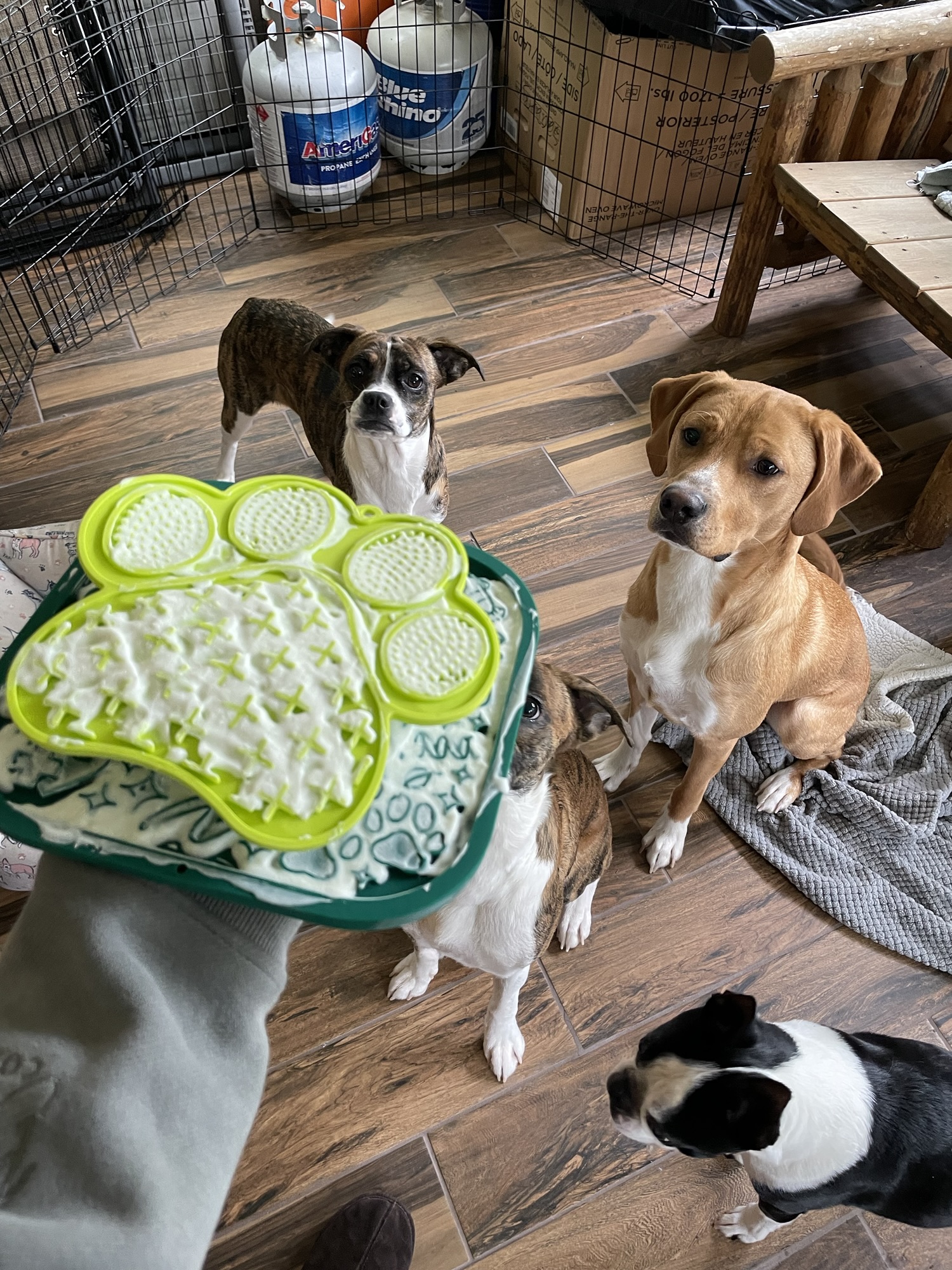
While your dog shouldn’t aggressively be playing after surgery, you can have some mentally stimulating toys available such as snuffle mats or chew toys to keep them entertained once they are starting to feel better.
Dog Surgery Recovery Essentials

(As an Amazon Associate, I earn from qualifying purchases if you use these links to make a purchase.)
- E-Collar: If your vet provides one, I would recommend using the e-collar they give you. However, if not, you can get a basic e-collar from Amazon to prevent your dog from licking or chewing at the incision
- Inflatable Dog Collar: Useful for when your dog is under your direct supervision to provide a little more comfort than the hard plastic e-collar. I’ve been using this exact collar from Amazon and it works great!
- Surgery Recovery Suit: This helps keep the incision clean and dry and also deters your dog from messing with their incision. While not fool-proof on its own, the suits adds an extra layer of protection. I have found certain dogs will find a way to still get to their incision if they really want to, so I like to either use this when home with the dog or pair it with a collar when not home or overnight. I’ve purchased this same suit on multiple occasions for different dogs, as I’ve found it is the best fitting out of others I’ve tried. (Sizing seems pretty true to size. Keep in mind my 33 lb dog fits a size large comfortably without much extra room)
- Pill Pockets: You’re likely going to need to give your dog medication for at least a few days after surgery and some dogs are pickier about this than others. Some dogs might take their pills easy with a little peanut butter or cheese, while others will simply spit out the pill as soon as they can. Pill pocket treats make it easier to administer medications.
Taking care of your dog during surgery recovery is a difficult, but necessary process. You’ll be eager for your dog to get back to normal, but let your dog have time to heal and recover properly. With the right preparation and plan, you can help your dog successfully recover!
Have more dog surgery recovery tips? Share below in the comments!



Leave a Reply