
What is crate training
Crate training a puppy is the process of getting your dog comfortable being in a crate to where they don’t whine or bark while in there. This process takes time and sometimes seem difficult depending on the dog. This is typically done while the dog is a puppy, although if you get a rescue dog you may need to do this process in adulthood.
Why crate train a puppy

The purpose of crate training a puppy is to provide a safe environment for the dog to feel comfortable in while you are away from the house. Many dogs are unable to be left alone with free rein of the house. Crate training is important to ensure your dog doesn’t bark and carry on all day while in the crate.
Crate training is also important in the event of travel or even emergencies. If traveling, your dog may need to be in a crate in order to get to your destination. In the case of a medical emergency, your dog may need to be crated at the vet’s office. Even in the event of a natural disaster, your dog may need to be crated in order to be rescued. There are many important reasons to crate train your puppy.
Is crate training cruel

The short answer is no.
While some feel crate training a puppy is a cruel practice, many trainers and veterinarians wholly believe in this practice. Crate training provides a safe environment for your dog while you are away from the house. Dogs that are left with free rein of the house may become tempted to engage in dangerous or destructive activities while you are gone. Unless you have your entire house completely dog-proofed (which is nearly impossible to do), there can be many hazards available to your dog when left unattended for prolonged periods. Crate training takes away those dangers, as they are left in a safe, controlled environment.
How to pick the right crate

When selecting the right crate for your dog, there are several things to consider. The first and likely most important is the size of the crate. If your dog is a puppy, select a crate size that will fit your dog into adulthood. Crates often come with dividers that you can use to portion of a part of the crate when your dog is young. As the dog grows, you can expand the area of the crate your dog has access to until they are full grown and able to utilize the entire crate size. It is typically recommended to have enough space for your dog to stand up and turn around in. You don’t want to give them too much extra space, as that will allow them room to go to the bathroom in one area and lay in another.
Another factor to consider is plastic vs metal. Generally the metal wire crates work just fine, just make sure the door latches securely so your dog isn’t able to knock this open. You could consider a plastic crate that offers more privacy. This provides a cozier environment and makes the crate feel more like a den. Alternatively, you can get a metal wire crate and get a blanket to place over the top and sides to simulate a den as well.
How to introduce your puppy to the crate
When starting off with crate training, it is important to introduce your dog slowly to the crate. Start by setting the crate up in a comfortable area of the house. Leave the crate door open, allowing your dog to explore the crate on their own. You can place a cozy blanket in the crate as long as your dog doesn’t tend to tear things up. A tip to help get your dog to like their crate is to feed them meals in the crate. Start by putting the food right outside the crate, then move it in gradually as your dog becomes more comfortable. Never force your dog in the crate! If they don’t go in to the get the food, move the food closer to the entrance and slowly transition it to the back of the crate.
Be sure to never use the crate as punishment, as that will lead to negative feelings towards the crate. You want your dog to form only positive feelings for the crate.
Starting the training sessions
Using treats, get your dog to go into the crate but be careful not to push your dog in the crate if they are reluctant to go in. You want the dog to go in willingly and reward with the treat. Repeat this process several times with the door open.
Once your dog seems comfortable going in the crate, start training sessions with the crate door closed. Instruct your dog to go in their crate (using a specific word you come up with) and give them the reward once they are in. You then want to close the door. Remain by the crate at first. As your dog adjusts to this step, you can later start getting farther away from the crate until you end up going into another room.
You’ll want to start with very short times at first and then build up to longer time spans as your dog masters the shorter time spans.
Continuing the training process

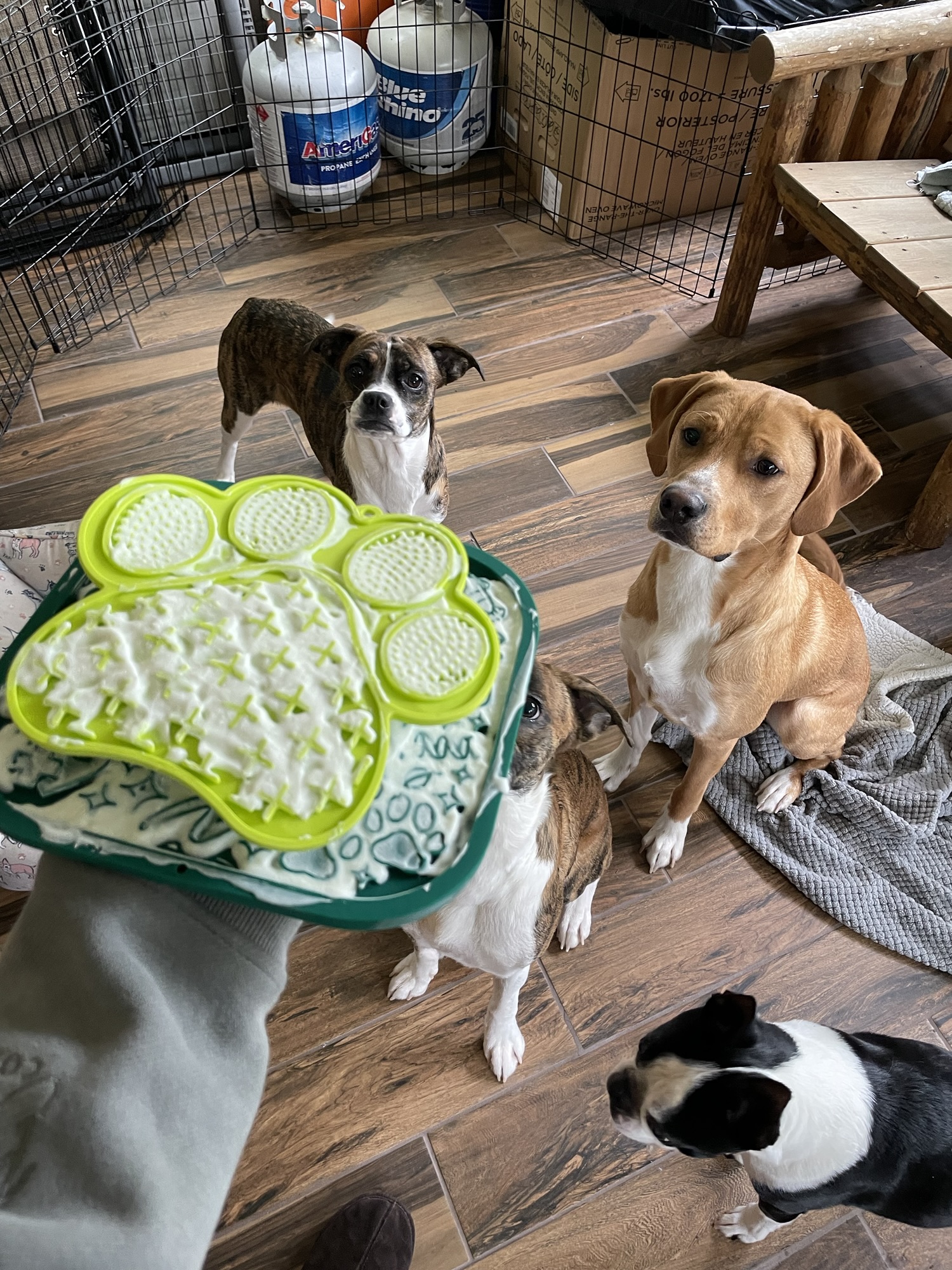
Once your dog is introduced the crate and used to shorter sessions, continue to work with your dog and expand to longer sessions. Use high value rewards such as a Kong filled with your dog’s favorite food. Give your dog this high value reward while in the crate during these training sessions so they learn they get good things while in the crate. They will then start to associate the crate with positive feelings instead of negative ones.
You can keep your dog in the crate even while you are doing chores around the house for sessions so they don’t associate the crate only with you leaving the house. When you do go to let your dog out of the crate, do this as a calmly as possible. You don’t want to make a big deal out of your return, as this can lead to separation anxiety. You want your dog to enjoy being in the crate instead of anxiously awaiting your return.
If you plan to crate your dog at night, start to put them in the crate overnight once they are able to handle longer times in the crate. Remember that young puppies often can’t hold their bladder very long, so be prepared to get up during the night for bathroom breaks. Don’t make a big deal of this, however, by getting your dog excited during these breaks. Calmly take them out of their crate, let them out to pee, then calmly put them back in the crate. You can keep the crate near your bedroom at first to make these trips easier, then move the crate later on if needed.
Have patience during crate training, as it can take several weeks or even months for your dog to feel completely comfortable with this.
Crate training safety tips
- Take collars off before leaving your dog in the crate, as collars and tags can get stuck in the bars of the crate and potentially strangle your dog!
- Never leave items in the crate that you think your dog might ingest
- Never use the crate as punshiment
While crate training may seem like a difficult task, with some preparation and a lot of patience, you can successfully crate train your dog!
Have other helpful tips for crate training a puppy? Leave them in the comments below!




Leave a Reply