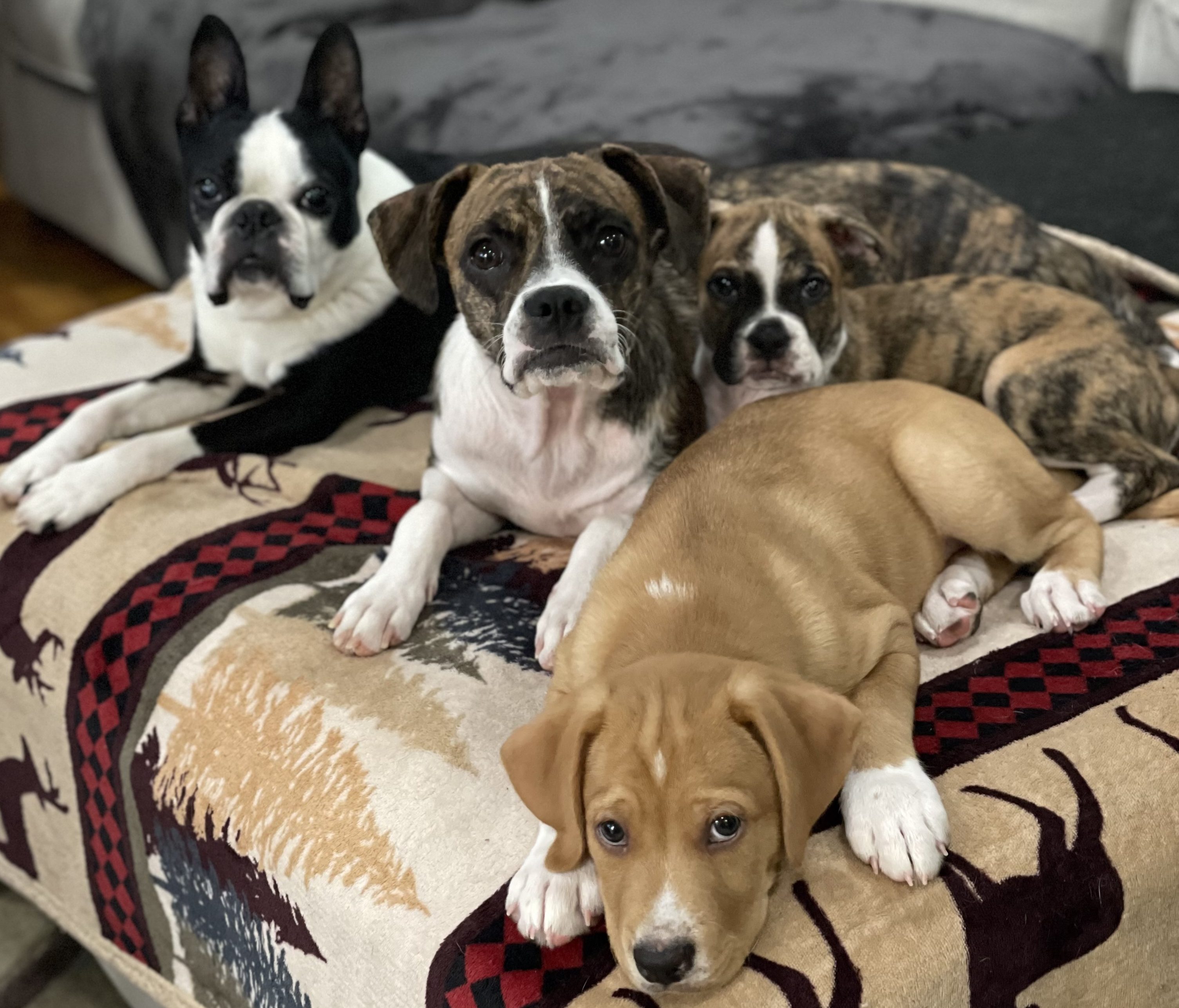
A Basic Guide to Dog Care
So you’re looking for tips to care for a new dog? Whether this is your first dog or one of many, it’s never a bad idea to brush up on ideas of how to best care for your dog. Proper care will ensure your pup leads a healthy, happy life. In this post, we’ll cover dog basics including nutrition, grooming, exercising, training, and health care.
Nutrition & Feeding

Picking the right food for your dog can seem overwhelming with all the choices out there. You’ll want to decide whether you’re going to feed dry food, wet food, raw food, or even homemade food.
Dry food is the simplest to feed and there are many wholesome brands to choose from. Explore the many choices out there and decide by ingredient list and price. It is best to look for food that includes whole foods, not a bunch of fillers. The first few ingredients should include a protein source, fruits, vegetables, and certain grains. While there are “grain-free” dog foods, these can potentially lead to some heart complications if lacking the amino acid called taurine.
Avoid foods that contain fillers as the primary ingredients including corn, wheat, soy, and rice.
Wet food is an alternative option, although this can be more costly than dry food. This may be more palatable for picky eaters. While wet food does have a good shelf life, it does have to be refrigerated and used after a certain amount of time after opened. You could do a combination of dry food with a topping of wet food for a more enjoyable meal.
If you want to get more involved, you might consider feeding a raw or homemade diet. These options require proper research and planning to ensure your pup is getting adequate nutrition. If you plan to go this route, please look into reputable resources to come up with a plan.
Knowing how much to feed can be confusing. You can use the portions on the bag as a guide, although sometimes they can over estimate portions. Pay attention to your dog’s body size to see if you need to feed more or pull back on the portions. Your vet can also assist you on determining the correct portion size for your dog.
Grooming & Hygiene

A proper grooming regiment will keep your pup’s coat and teeth pristine. A healthy dog should have a shiny, clean coat. You can assess your dogs teeth by looking for plaque build up.
Depending on your dog’s coat style and length, you will need to come up with a grooming schedule. This might be something you can do at home or you may need to hire a groomer for specialized grooming. Daily brushing for certain dogs may be required, while others may only require once a week brushing. You should bathe your dog every 1-3 months depending on its coat type. Bathing too frequently can strip the coat of its natural oils.
Nail trimming is an important part of grooming to keep your dog comfortable. Consider trimming nails every 4 weeks depending on how often your dog walks on concrete. Dogs that walk on concrete frequently may need less often trimming, as the concrete naturally files the nails.
Long nails can impact how a dog walks and cause pain. Get your dog used to regular nail trimmings. You can start with short sessions to get them used to this, then build up to cutting all the nails in one session. Reward your pup during and after nail trimming sessions so they know this will be a pleasant experience. Be cautious not to cut too close to the quick (a sensitive area where blood vessels are located in the nail), as this is painful to your dog and can cause bleeding. Cutting the nails regularly will help the quick remain short. If nails are allowed to grow too long, the quick will grow as well and it will be harder to maintain shorter nails.

You want to keep your dog’s pearly whites clean by routine dental cleaning. You can do this right at home with a toothbrush and vet-approved dog toothpaste. This may take your dog some getting used to, so start by introducing them to the toothbrush and toothpaste, then build up from there. Aside from routine brushing at home, your vet may recommend dental cleanings under anesthesia. Check with your vet to see if this is something they recommend for your dog.
Exercise & Mental Stimulation

Exercise and mental stimulation are extremely important to your dog’s wellbeing. You should plan for at least one exercise session every day along with other types of stimulation to keep your dog mentally satisfied.
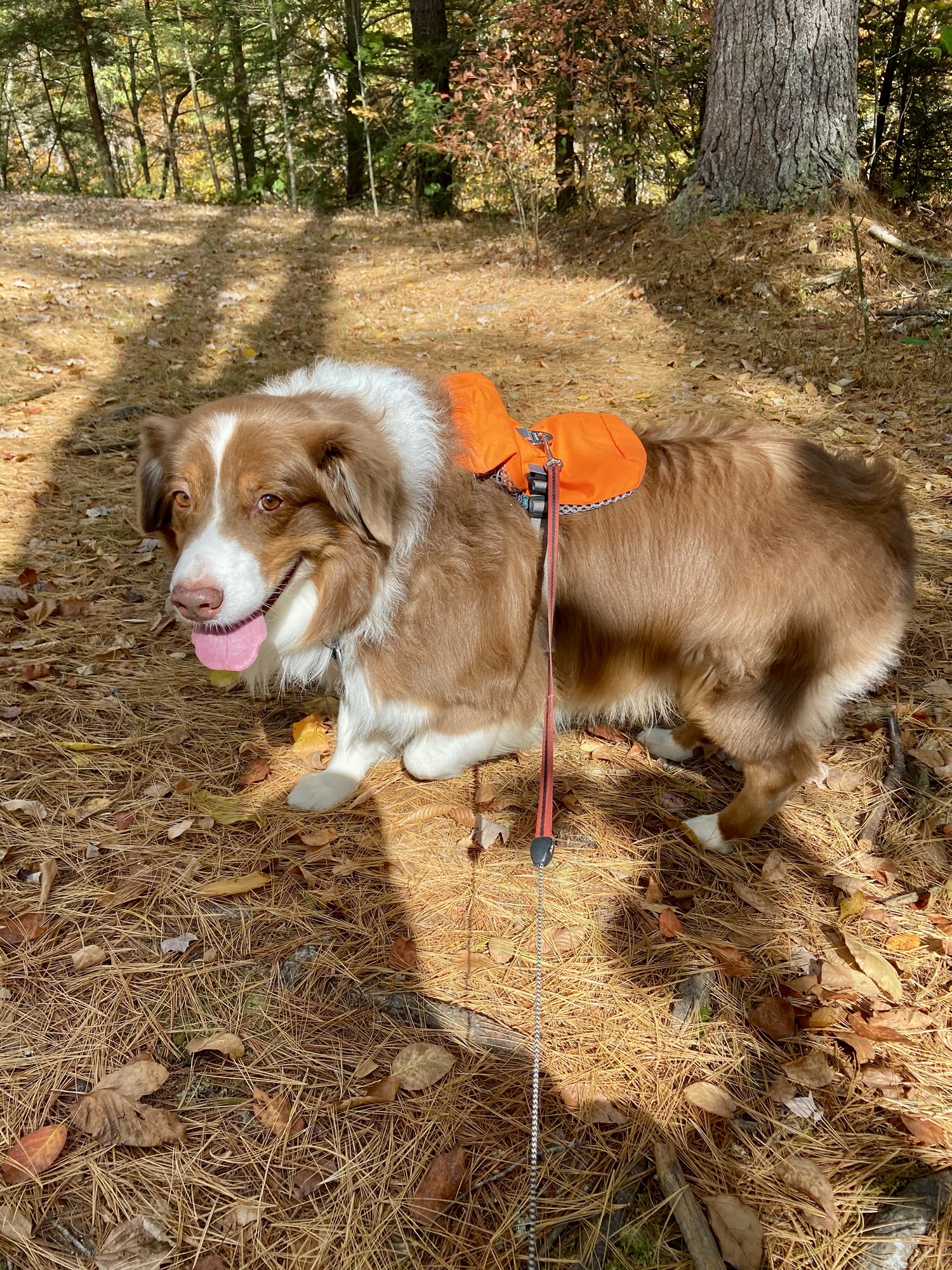
Daily walks are important for your dog’s physical and mental health. Allow your dog to sniff while on walks to get extra stimulation. It is said that 15 minutes of sniffing is equal to an hour of walking, so let your dog sniff!
While walks are good, playtime running around off the leash is a great way to exercise and stimulate your pup. If you don’t have a fenced in yard, look for local parks that have a designated off leash dog park where you can take your dog. Make sure your dog is up to date on all core vaccines before taking them to a public dog park. Be sure to follow all the rules at the park to ensure the dogs’ safety.
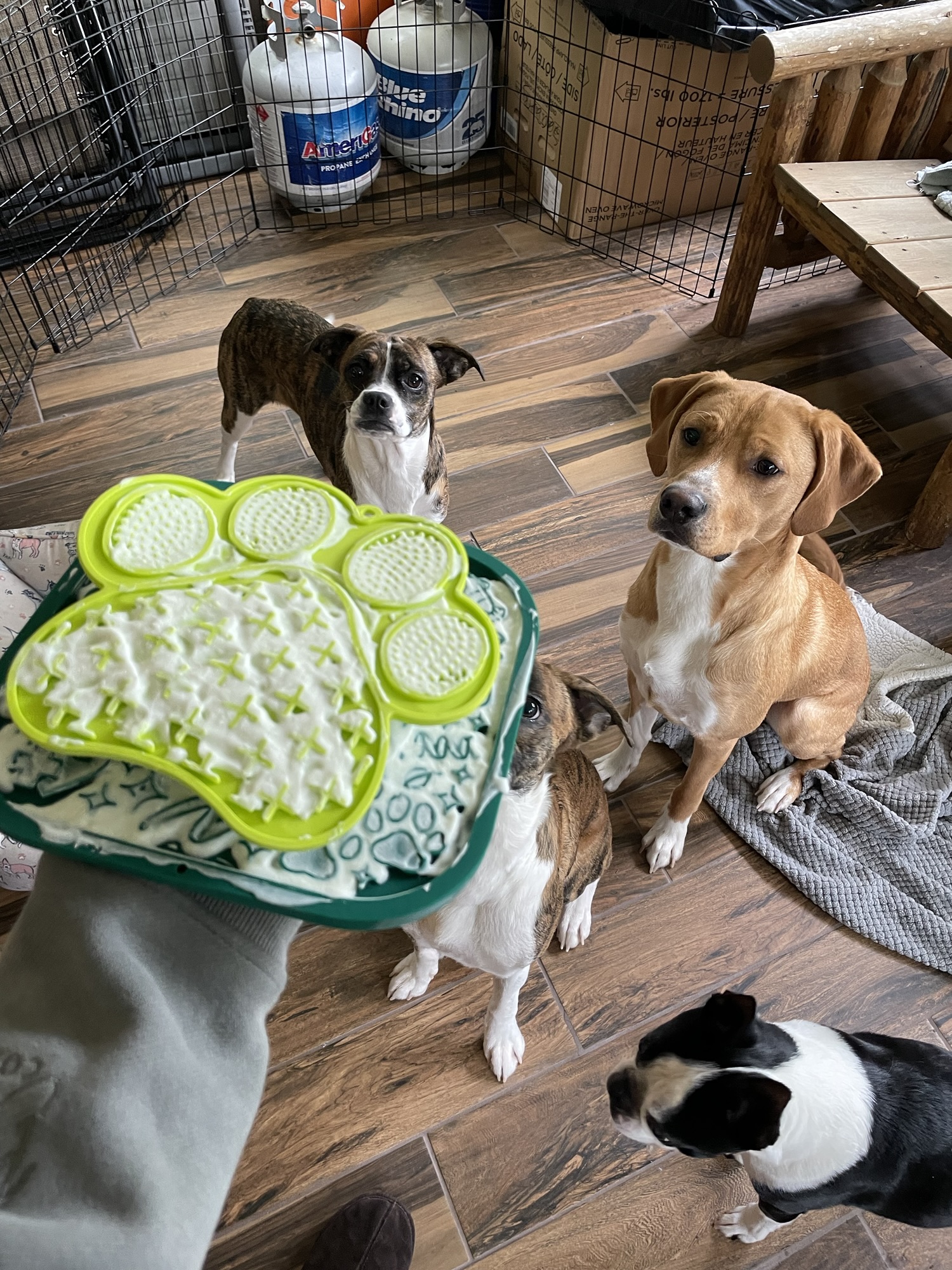
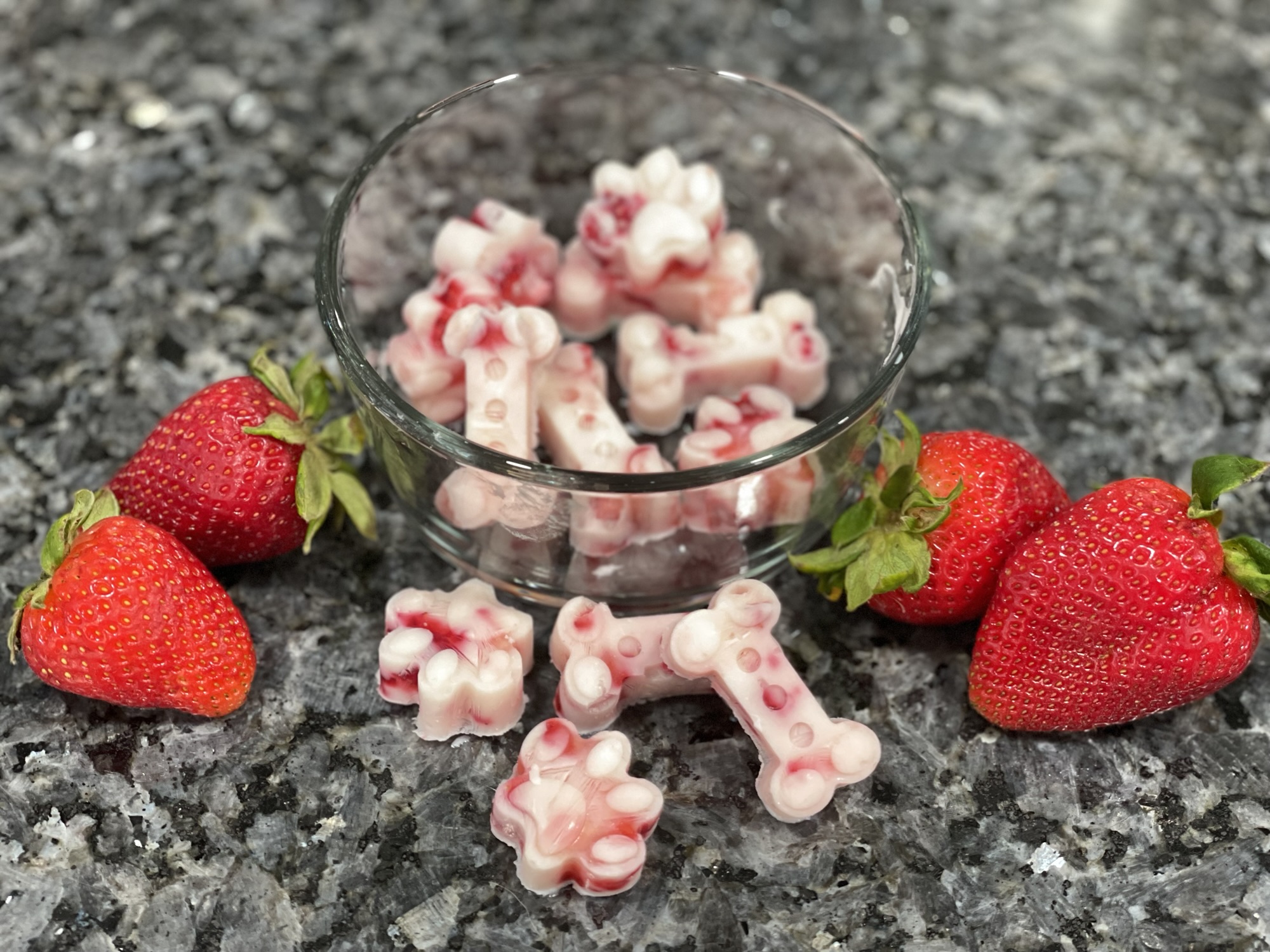
For other mental enrichment, look for games and toys that make your dog work. You can find puzzle games or toys to freeze their food in that will make them work for the reward. This will keep your dog from getting bored and becoming destructive. Looking for specific ways to enrich your dog? Check out our post here for enrichment ideas!
Training & Behavior

Having a proper training plan will help set your pup up for a successful life. You’ll want to teach them the house training basics and then advance to obedience commands.
One great way to start training is to join a training class. You can search around to find a good local class you can enroll your pup in. These are usually grouped by age including puppy basic classes and adult classes. Not only will this help with the training basics, it is also a great way to start socializing your dog.
Socializing your dog early on is an important step to ensuring they will do well with people and other dogs later in life. Expose them to different environments and objects to avoid fear in certain situations. This will make your life much easier later on, as your dog will be able to go on adventures with you without negative behaviors.
If your dog already has behavioral issues like excessive barking, chewing, or separation anxiety, you may need to spend extra time addressing these specific issues. You can look for a dog behavioral specialist if you’re having difficulty with certain issues.
Veterinary Care & Health

Keeping your dog healthy will ensure they lead a long, happy life. This includes routine vet check ups. You’ll want to take your dog for a check up shortly after you get them to ensure they are healthy. Depending how old your pup is, they may be due for certain vaccinations.
Talk to your vet about preventative measures such as a flea, tick, and heartworm medication to determine what is right for your dog. There are over the counter products, prescription products, and natural products available.
It is important to continue routine checkups throughout your dog’s life to address any health concerns. Staying in good standing with your vet will ensure you are able to get an appointment quickly if something is wrong with your dog. Some vets may have allotted “sick visits” available each day in case something comes up. In case of an emergency, be familiar with local emergency vets. Many people do unfortunately need to utilize these services from time to time.
Consider health insurance for your dog. There are multiple companies you can purchase this through. It is best to buy this early on in your dog’s life before any major health conditions have come up to avoid higher premiums.
If your dog is not spayed or neutered when you get them, please consider doing so. Talk to your vet about when the appropriate time is to do this, as they do usually recommend waiting until a dog is a certain age before the procedure. This helps prevent unexpected litters that you likely are not going to want to raise. Spaying is especially important for female dogs, as there is a high risk of a serious health condition called pyometra in unspayed dogs.
Staying on top of your dog’s health now will prevent unexpected vet bills later in life!
Whether this is your first dog or one of many, be sure to follow these recommendations to give your pup a happy, healthy life. Your pup will appreciate the special care you give them!
Have any other requests for basic dog care tips? Share your questions in the comments below!





Leave a Reply