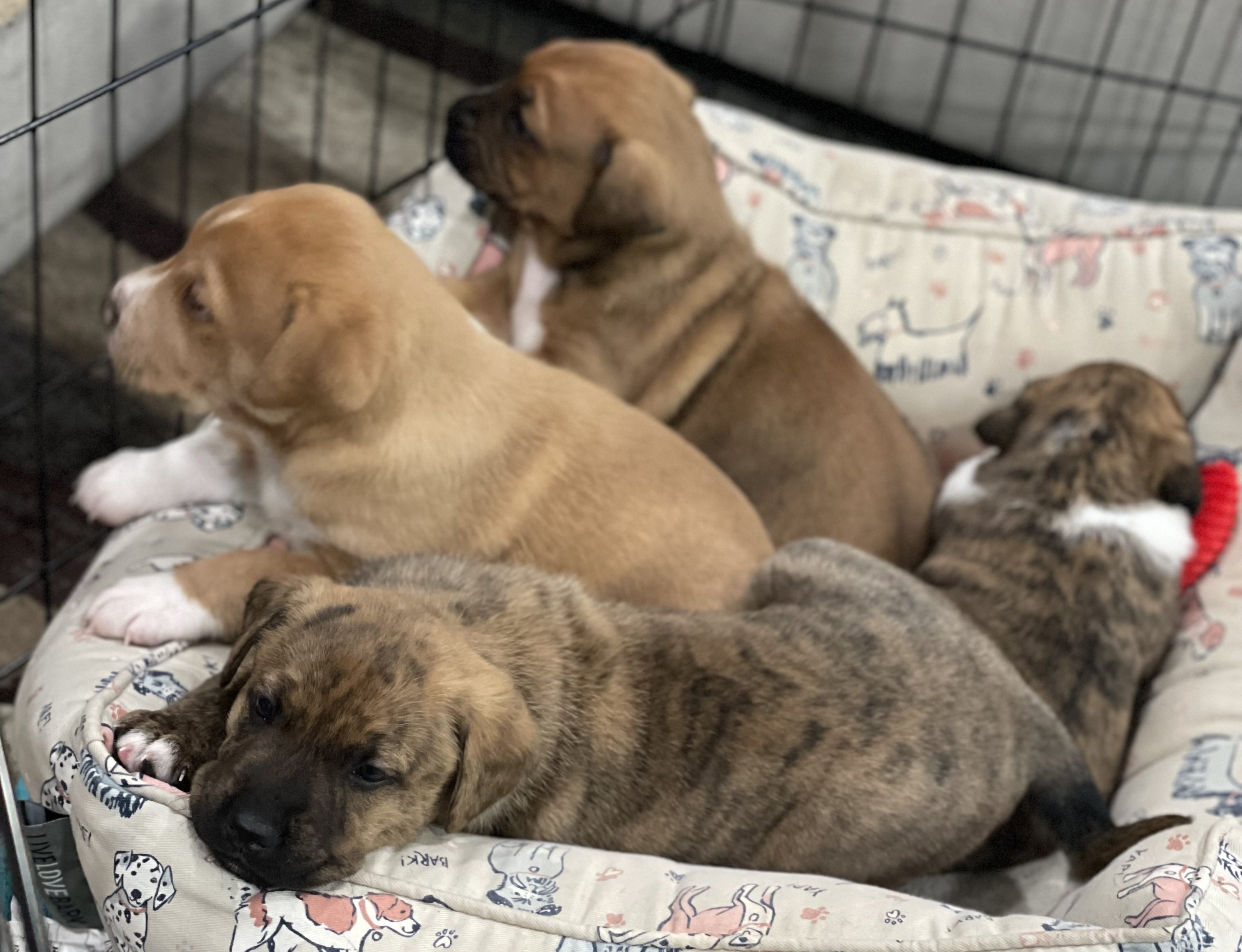
Everything You Need to Prepare for Your New Furry Friend: Bringing a new puppy home is an exciting time for both you and your pup. However, it is important to be well-prepared so you have a smooth transition with your new housemate. Your new puppy will likely be a little bit nervous, so be sure to follow our new puppy checklist to make your puppy feel cozy and at home right from the start!
1. Essential Supplies for Your New Puppy
Before your puppy arrives home, it is important to have all the necessary items to make your puppy feel safe and at home. Be sure to have these essential new puppy checklist items before bringing home your new friend.
Accessories
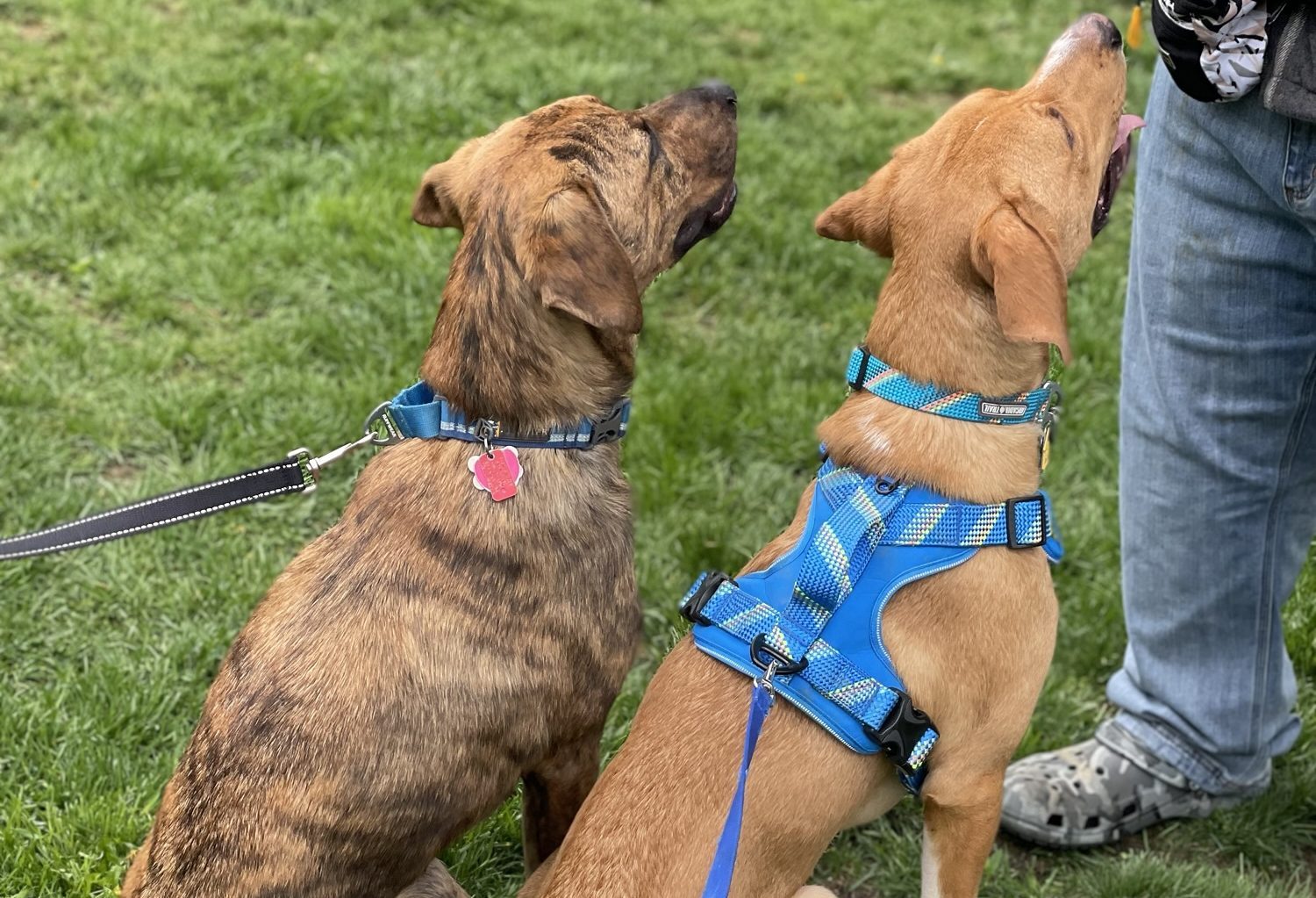
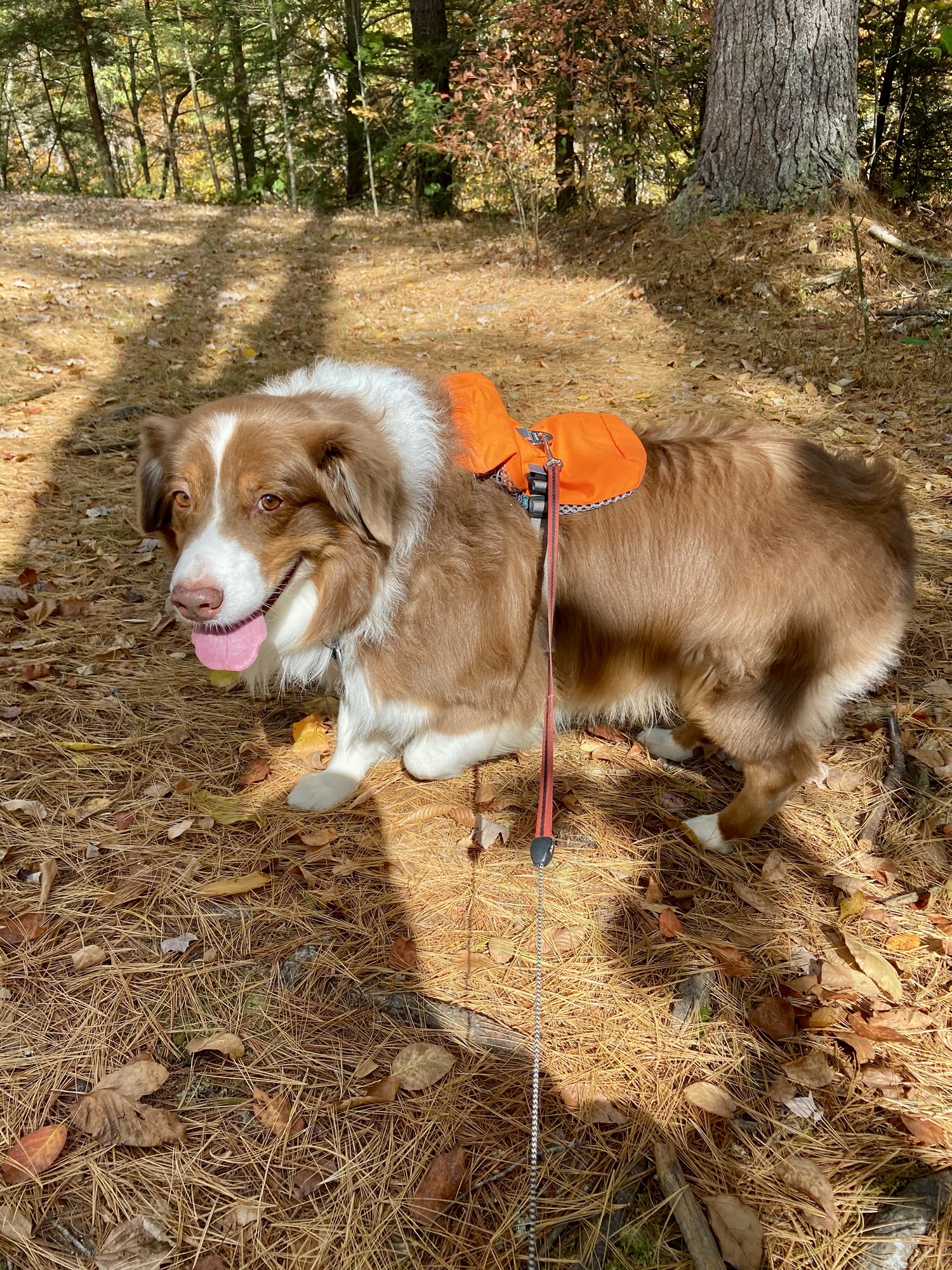
You will need a collar and sturdy leash right away for light walks and training exercises. Look for an adjustable collar that can grow with your new puppy, but consider waiting to buy the most expensive brand until your puppy is full grown, as your puppy may need to size up a few times. Make an ID tag ahead of time to attach to the collar with your contact information. Consider a harness for added security on walks and outings. Talk to your vet about getting your new puppy microchipped. Some vets will wait until spaying/neutering your puppy to insert a microchip, although this can be done sooner if you desire.
Crates
You will need an appropriate size crate for your new puppy to have a safe place to go when you’re not home or when they need to relax. It can be difficult to pick out a size if you don’t know how big your puppy will get, but do your best to estimate. You can always buy a larger crate than initially needed and get a crate divider to make the crate smaller at first and expand it as your puppy grows. A puppy should have enough room in the crate to stand up, turn around, and lay down without feeling cramped. Just make sure the crate is not too big, as that can encourage your puppy to go to the bathroom in the unused area of the crate.
Check out dog training blogs for all the ins and outs of crate training your new puppy as this will become a crucial step for your puppy to learn while they are young. Puppy pads will also be an important part of training. Be sure to have these on hand for your puppy to learn and to keep your floors clean!
Food
Pick out food and water bowls for your puppy. Consider stainless steel as a durable, easy to clean option. Ceramic bowls are another nice option, although these can be more fragile. Avoid plastic bowls if you can, as these can harbor bacteria that be very dangerous to your pup.
Be sure to have an idea what food you will be feeding your hungry pup. If you are getting them Foods a breeder, talk to the breeder about what food they are feeding them. You can then decide to transition to something else if you don’t plan to continue the same food. If you are rescuing a puppy, you should be able to find out from the shelter what food they have your puppy on. Plan to feed your puppy specific puppy food for around the first year depending on the breed. Larger breeds typically should be on puppy food longer than smaller breeds.
Have a selection of toys and comfy beds and blankets available for your new pup when they first arrive at their new home. This will help your puppy adjust to their new surroundings and give them a sense of security.
Check out our puppy supplies blog post for more ideas of essential items you will need!
2. Puppy Proofing Your Home
This is an absolutely imperative step new puppy checklist step that will likely save you many headaches later on. Know which rooms you will allow your puppy to be in. Be sure to remove any hazardous items from those areas including toxic plants, electrical cords, and items your puppy may try to ingest. Consider getting a large puppy playpen to set up a safe area for your puppy to play and explore. Baby gates are also an essential item to keep your pup away from unsafe areas like staircases. You may want to puppy-proof expensive furniture, as curious puppies may try to chew on furniture and other household items. Being prepared with a puppy-proof house will give you peace of mind and possibly even prevent expensive veterinary bills later on.

3. Veterinary Care and Health
Have a plan which veterinarian you will use for your new pup. You might even want to have an appointment scheduled before you even bring your pup home, as it may take a few weeks to get on the schedule. Many breeders and rescues will include this in your signed contract that you must establish care with a veterinarian and provide basic health care for your pup. Hopefully you have considered the costs of a dog prior to committing to a new puppy, as vet bills can add up quickly and you want to be sure you are able to provide the best care for your friend.
New puppies will require vaccinations on a certain schedule. Depending how old your puppy is, they may have already had some vaccines prior to their arrival. These puppy vaccines are critical to ensure a healthy start to your puppy’s life. As discussed above, microchipping is an essential safety step to take for your new puppy. This can often be done with spaying/neutering or can be done separately. Your adoption contract might include that you must spay/neuter your puppy and there are many good reasons for this. Talk to your veterinarian about the right timeline for you and your puppy.
4. Preparing for Training and Socialization
Training and socialization are two crucial factors to help set your puppy up for success. Both of these should start young, although consider that until your puppy has all the necessary vaccines they will not be fully immune to certain diseases. Discuss with your veterinarian when it is safe to start socializing your puppy with other dogs. Signing up for puppy training classes is a great way to start to socialize your pup around other dogs and people while allowing for basic obedience learning. Many facilities offer training classes, so search local pet shops and private trainers to find the perfect class for your pup. Outside of training classes, start to establish a routine for your puppy. This includes getting them on a regular schedule for eating, bathroom breaks, and playtime.


5. Fun and Playtime
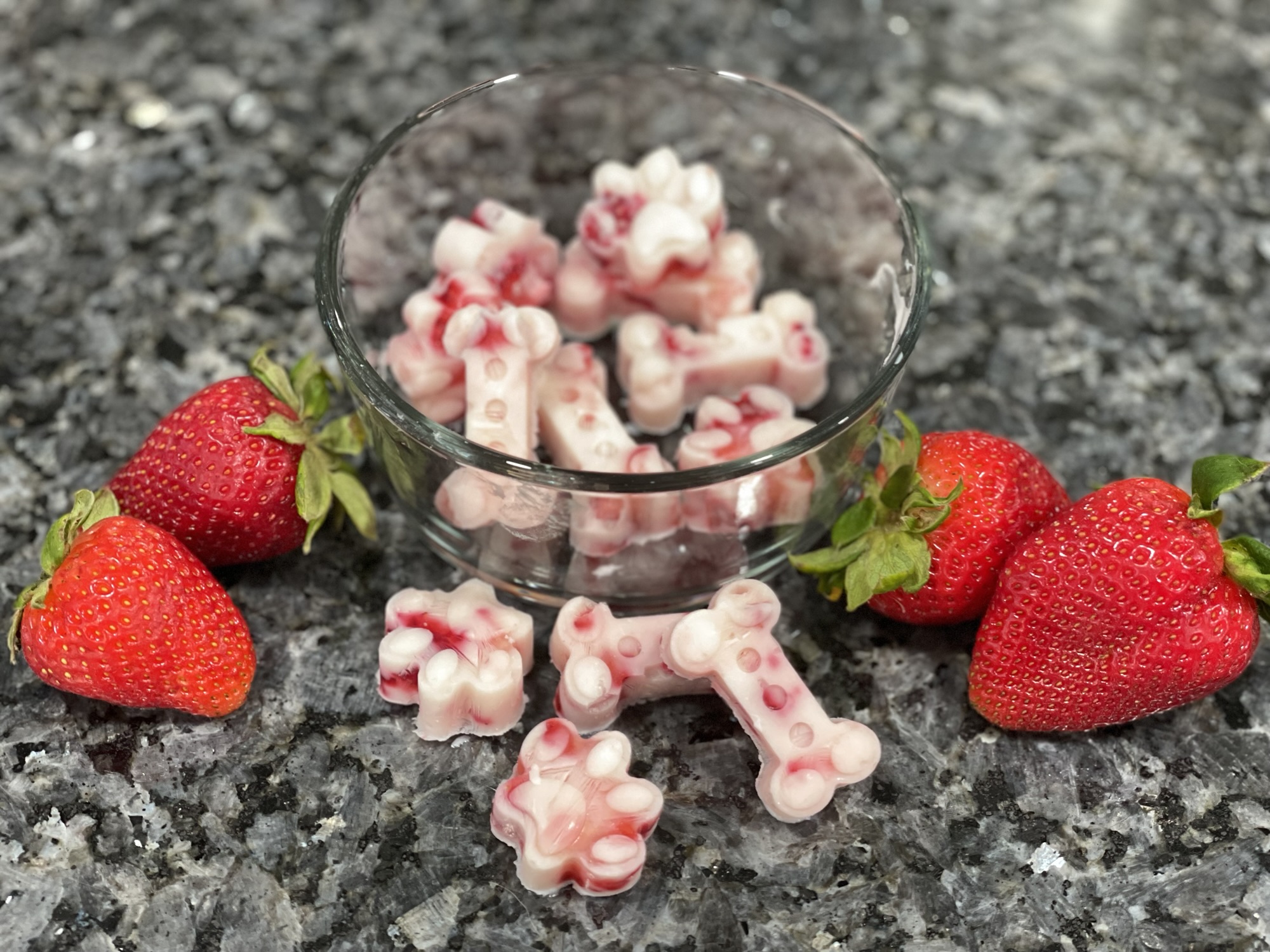
Now for the fun part! Stock up on fun, interactive toys to keep your puppy mentally and physically stimulated. Have tasty treats on hand for a reward, to help with training, or just to spoil your pup. Allowing for proper playtime and exercise will keep your puppy from getting bored and potentially developing negative behaviors. Depending on your pups age and breed, their exercise requirements may vary. Playtime and exercise is a great way to establish a bond between you and your new lifelong friend.
While bringing home a new puppy can seem daunting at first, once you get in a routine with your new friend, it will be worth it for all the joy and happiness you will get back. Following our new puppy checklist will help get you in a good routine. With some patience, a lot of love, and many laughs, you will create a lifelong bond with your new puppy that will make you smile for years to come!
Have other tips to add to our new puppy checklist? Share your own puppy essentials and tips below! Be sure to check out our other blog posts and Pinterest boards for more ideas and tips.




Leave a Reply